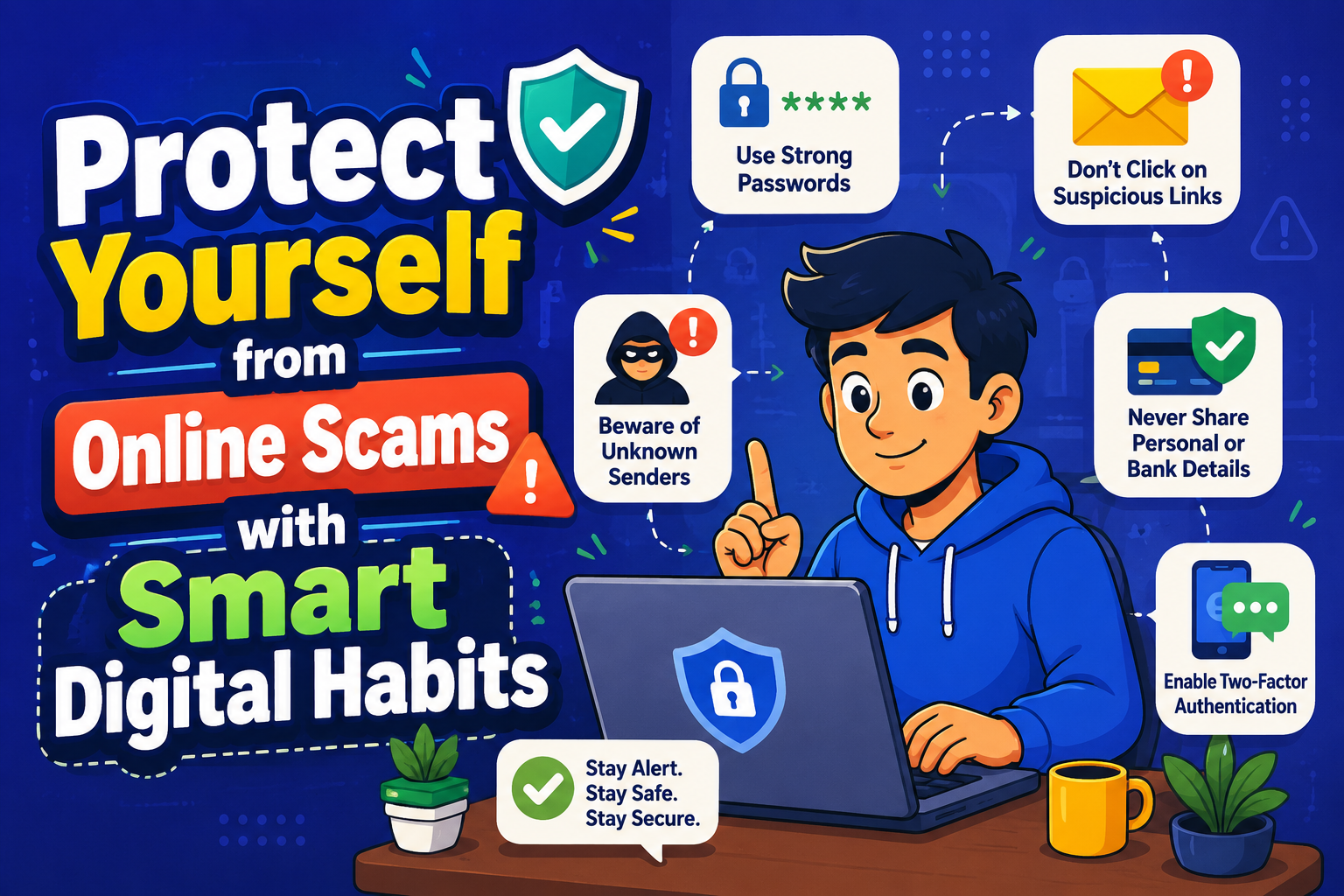
Cybercriminals constantly develop new ways to trick people into sharing money, passwords, and personal information. Learning how to recognize warning signs can help you stay safe while shopping, banking, browsing, or communicating online.
Online scams target people of every age and experience level. Many scams look convincing because they imitate trusted companies, government agencies, banks, or even friends and family. Fortunately, understanding common scam techniques makes it much easier to identify suspicious activity before any damage occurs.
Why Online Scams Continue to Grow
As more everyday activities move online, scammers have more opportunities to reach potential victims. Email, text messages, social media, online marketplaces, and fake websites allow criminals to contact thousands of people quickly at very little cost.
Most scams rely on emotions rather than technology. Fear, excitement, urgency, curiosity, and trust often influence people to act before thinking carefully.
Common Warning Signs of Online Scams
Urgent Requests
Messages demanding immediate payment or action are designed to prevent careful thinking.
Too-Good-To-Be-True Offers
Huge prizes, unbelievable discounts, or guaranteed profits often hide fraudulent schemes.
Unexpected Links
Never click links from unknown senders without verifying their legitimacy first.
Requests for Personal Data
Legitimate organizations rarely ask for passwords or verification codes through email or text messages.
Types of Online Scams You May Encounter
| Scam Type | Typical Goal |
|---|---|
| Phishing Emails | Steal passwords or banking information. |
| Fake Shopping Websites | Collect payments without delivering products. |
| Romance Scams | Build trust before requesting money. |
| Investment Scams | Promise unrealistic returns to collect funds. |
| Tech Support Scams | Gain remote access to your computer or payment details. |
How to Verify Before Trusting
Whenever you receive an unexpected message, pause before responding. Visit the organization’s official website by typing the address yourself instead of clicking links. Contact the company using verified phone numbers or customer support channels if you’re unsure whether the message is genuine.
Protect Your Personal Information
Strong digital habits reduce your risk even if you accidentally encounter a scam attempt. Use unique passwords, enable multi-factor authentication where available, keep software updated, and avoid sharing sensitive information publicly.
Daily Online Safety Checklist
- Create strong, unique passwords for important accounts.
- Enable two-factor authentication whenever possible.
- Keep devices and browsers updated.
- Avoid downloading unknown attachments.
- Review bank and credit card statements regularly.
- Be cautious when using public Wi-Fi for sensitive transactions.
What to Do If You Suspect a Scam
If something feels suspicious, stop communicating immediately. Avoid sending money or sharing additional information. Change affected passwords, contact your financial institution if payment information was involved, and report the incident through appropriate consumer protection or cybersecurity channels in your country.
Acting quickly can reduce potential financial losses and help protect your accounts from further misuse.
Frequently Asked Questions
Yes. Some scam messages imitate legitimate businesses, making independent verification essential.
No. A secure connection protects data in transit but doesn’t guarantee the website itself is trustworthy.
Generally, it’s safer not to respond. Verify the situation through official contact methods instead.
Final Thoughts
Online scams continue to evolve, but many rely on the same psychological tactics: urgency, fear, excitement, and false trust. By slowing down, verifying unexpected requests, protecting personal information, and practicing good cybersecurity habits, you can significantly reduce your risk of becoming a victim. Staying informed and thinking critically before clicking links, sharing sensitive details, or making payments are some of the most effective ways to safeguard both your finances and your personal information in today’s digital world.