How to Reduce Unnecessary Personal Information Across Your Online Accounts
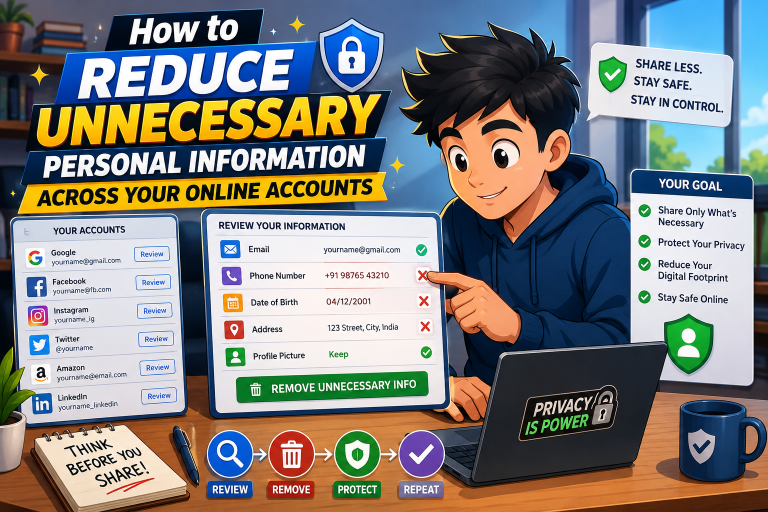
Every online account you create can store personal information such as your name, birthday, phone number, address, interests, and browsing …
Every online account you create can store personal information such as your name, birthday, phone number, address, interests, and browsing …
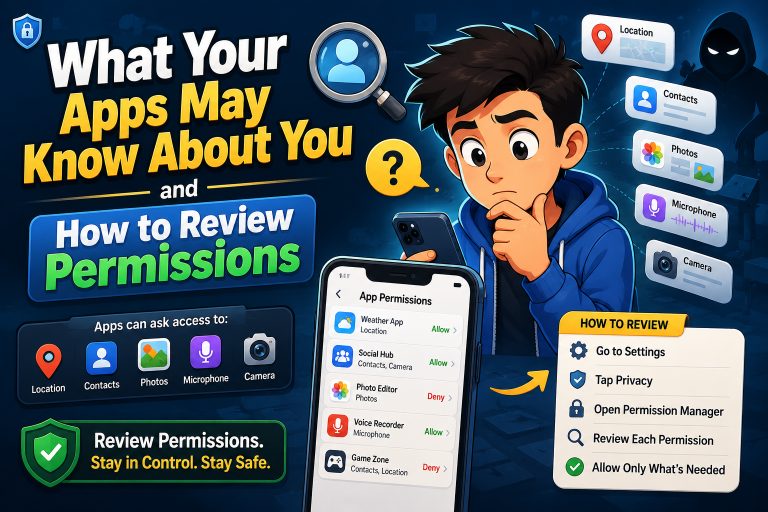
Many mobile and desktop applications request access to your camera, microphone, contacts, location, photos, and other personal information. While these …
Improving your digital privacy doesn’t have to take an entire weekend or require technical expertise. In just one hour, you …
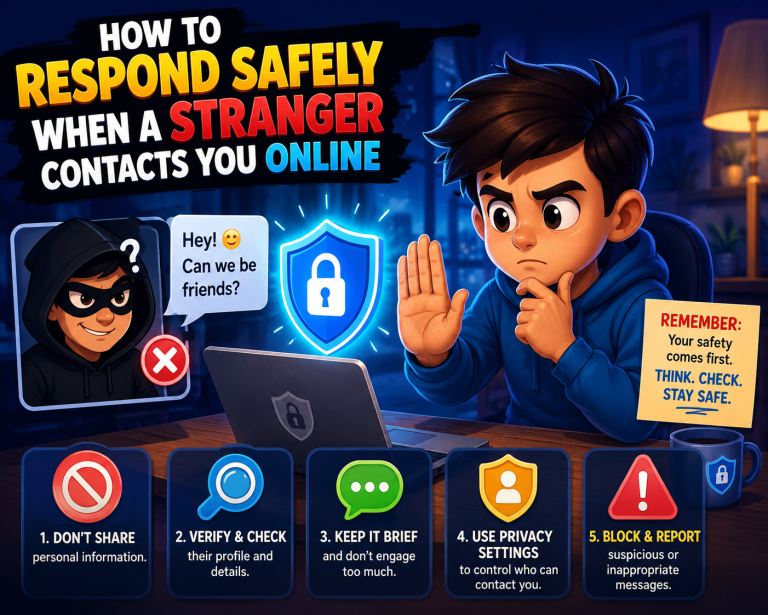
Receiving messages from strangers online has become a normal part of using social media, messaging apps, online marketplaces, gaming platforms, …
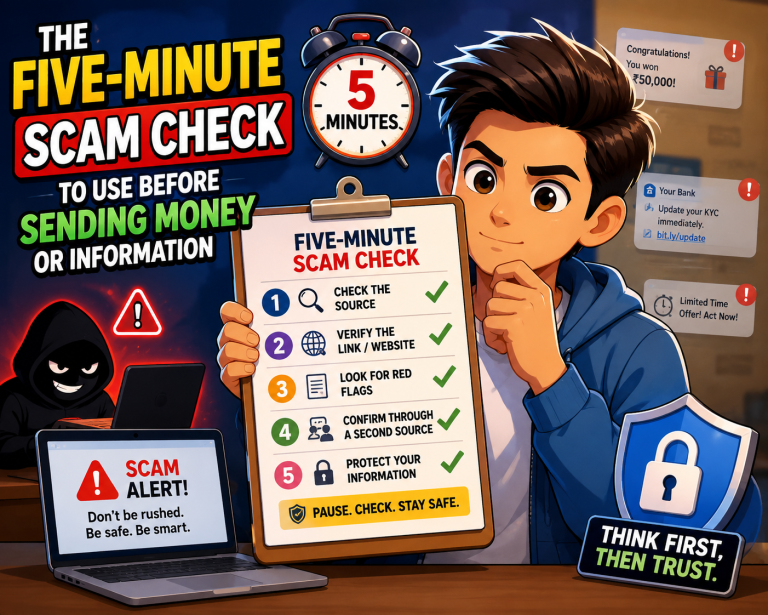
Scammers often rely on people making quick decisions before verifying what they’re being asked to do. Whether someone requests money, …

Online offers appear everywhere—from emails and social media posts to shopping websites and messaging apps. While many promotions are legitimate, …
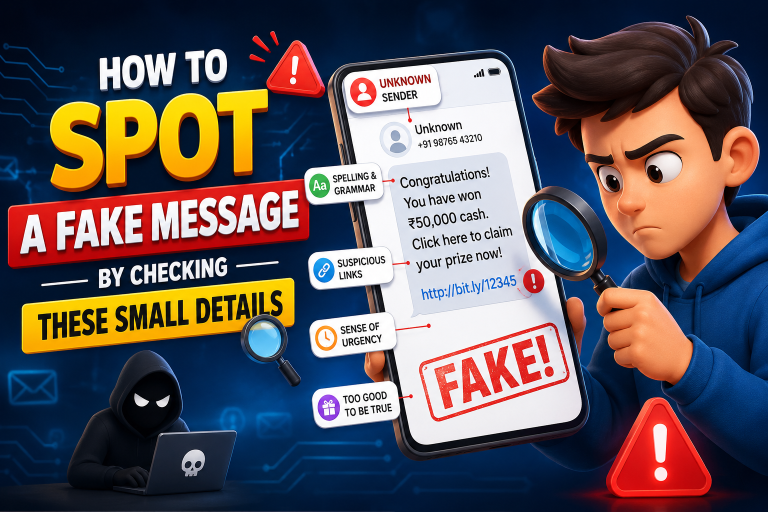
Fake messages have become increasingly convincing. They often imitate banks, delivery companies, government agencies, streaming services, or even friends and …
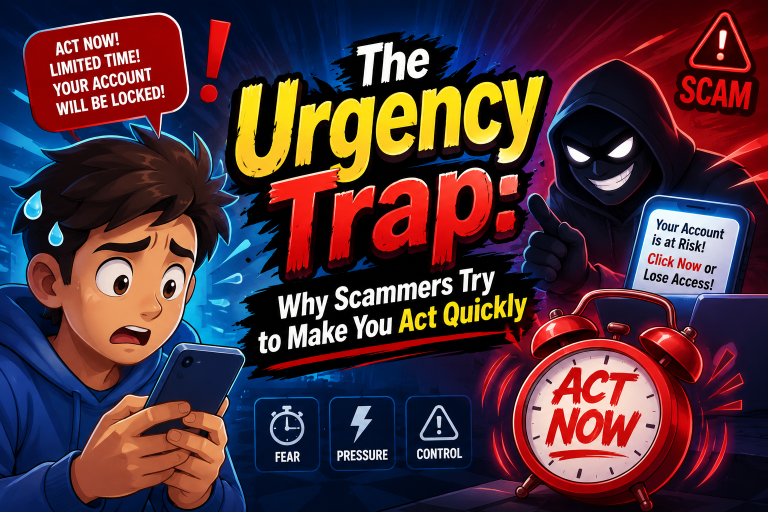
One of the most common tactics used by online scammers is creating a false sense of urgency. Whether it’s a …
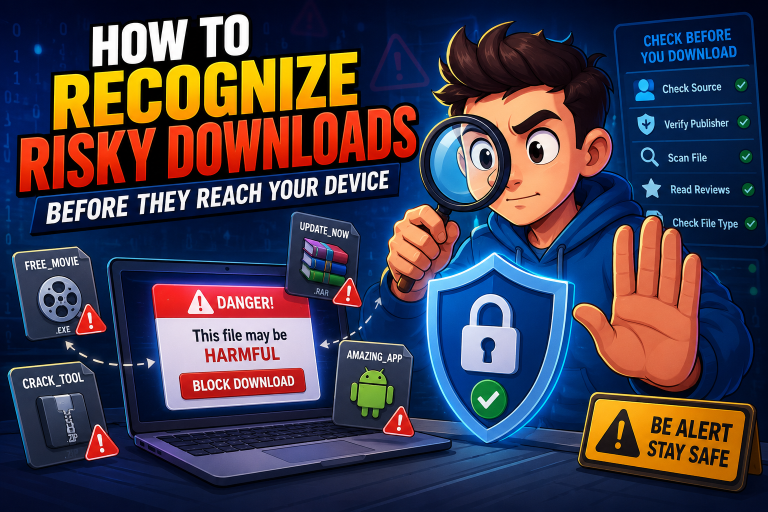
Downloading files has become a normal part of everyday internet use, whether it’s software, documents, photos, or mobile apps. Unfortunately, …
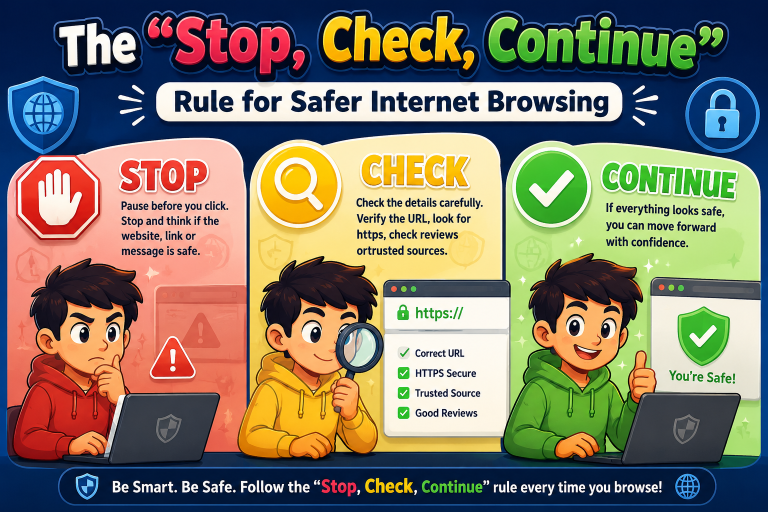
Browsing the internet safely doesn’t require advanced technical knowledge. One of the easiest ways to reduce online risks is by …